


Herbs
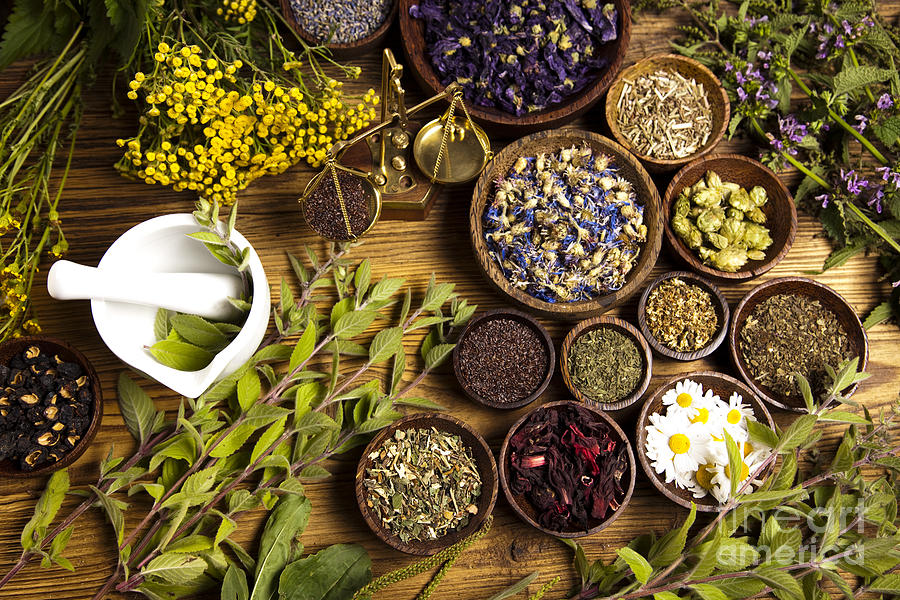
Growing and identifying your own herb medicine is one of the most rewarding and self-sufficient things you can do for your yourself and your family. Learn to do all this and what to do with them.
Herbalism
Using herbs, flowers, and plants for medicine is something very important, especially in this uncertain time. Learn how to make herb preparations and how to take them internally or externally.
Cook
Cooking and preserving food from scratch from homegrown, foraged, or fermented ingredients. Learn to use herbs and spices from your garden or cupboard for extra special healthy dishes.


Ferment
Fermenting is a traditional way of preserving foods that creates a delicious and gut healthy end product. Learn to make lacto-fermented vegetables from your garden. Fermented foods can help keep your body healthy!
Foraging
Foraging and wildcrafting for your own food and medicine is a great way to get outside and reap the benefits of being out in wild areas. It gives you access to some of the most nutrient rich and healing plants, all while getting exercise and fresh air.
Homesteading
Learn homesteading ideas from a mid-life couple who started fresh on seven wooded acres in the mountains about vegetable and herb gardening, animals, building, and other survival crafts.

Mullein tea’s gentle, earthy flavor and soothing properties make it a popular herbal remedy for respiratory comfort. Learn how to brew a great cup of mullein tea.
1. Measure the Herb
Use 1–2 teaspoons (5–10 g) of dried mullein leaf per 1 cup (240 ml) of water. Fresh leaves can be used, but require 20–30 minutes of steeping and produce a milder tea.
2. Heat the Water
Bring fresh water to a boil, then let it settle for a few seconds.
Just‑boiled water is ideal for mullein.
3. Steep Properly
Pour the hot water over the mullein in a cup, pot, or infuser.
Cover the vessel to keep aromatic compounds from escaping.
Steep 10–15 minutes (flowers may finish slightly sooner).
Longer steeping yields a stronger, more soothing tea.
4. Strain Twice (Important)
First strain through a fine mesh strainer.
Then strain again through a coffee filter, muslin cloth, or paper tea bag to remove microscopic leaf hairs that can irritate the throat.
This double‑strain method is essential for a smooth cup.
5. Flavor and Serve
Enjoy warm.
Optional additions: honey, lemon, ginger, or mint for extra soothing effects and flavor. Learn how…
How Much to Drink
Most adults typically drink 1–3 cups per day during periods of respiratory discomfort (e.g., coughs or colds). Up to 4 cups per day is mentioned in some guides for soothing sore throats.
Tips for Best Results
If harvesting your own mullein, choose young, clean leaves and ensure the area is free of pollutants. Drying mullein reduces fuzziness and improves storage life.
Books
New books and planners from Sage Hill available in paperback and Kindle.







You must be logged in to post a comment.